
CONNECT US
NEED TO TALK
WHATSAPP US

A Micro Finance Company provides small loans and financial services to low-income individuals, self-help groups, and small businesses that may not have access to traditional banking facilities. In India, microfinance activities are regulated by the Reserve Bank of India (RBI) under the NBFC framework.
A Micro Finance Company is generally established as a Non-Banking Financial Company (NBFC) engaged in providing micro-credit and financial assistance to economically weaker sections.
Microfinance companies in India are regulated by:
Micro Finance Company registration in India requires careful legal structuring and RBI compliance. With proper licensing and regulatory adherence, microfinance businesses can contribute significantly to financial inclusion while building a sustainable lending ecosystem.
Stay Updated for Tax Tips, Financial News

Will easing inflation pave the way for more rate c
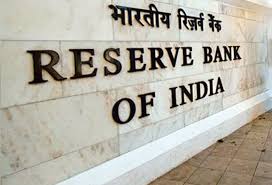
RBI urges banks to conserve profit, not issue any

Income Tax Return 2019-20: More than 4.06 crore pe

Over 40% of small businesses say it’s impossible t

Income tax department conducts search and survey i

RBI MPC Meet: Repo rate unchanged at 4%; 'accommod

Farm reform bills not brought in a jiffy: Nirmala

Social and Emotional Learning: The Real Gap in Ind
Testimonial Detail

Thank you to Arpit jee for providing seamless support in our company registration and GST registration. The process was handled professionally, documentation was accurate, and communication was very prompt. Highly satisfied with the service and will definitely continue working with your team. Special mention to Priyanka and Namrata Jee to make things easier to connect.

I recently got my GST registration done through CA Arpit, and the overall experience was excellent. He guided me through every step of the process, explained all requirements clearly, and handled the documentation very smoothly. The registration was completed on time without any hassle. He is knowledgeable, responsive, and professional in his approach. Highly recommended for GST-related services!
All rights reserved to Arpit Gupta & Co. | Developed by RNA Infotech


